ECPDC 2026, AANN 2026, and AIOTC 2026 Successfully Conclude in Singapore: Advancing the Future of Smart Technologies
Release Date: August 10, 2026 | Location: Singapore University of Technology and Design (SUTD)
ECPDC 2026, AANN 2026, and AIOTC 2026 have successfully concluded in Singapore, bringing together experts, researchers, and industry professionals from leading universities, research institutions, and enterprises around the world. The joint conference provided a dynamic platform for exchanging ideas on artificial intelligence, advanced algorithms, distributed computing, the Internet of Things, and emerging smart technologies, while highlighting the latest research advances and future directions across these rapidly evolving fields.

🌐 A Global Platform for Interdisciplinary Exchange
Hosted at the Singapore University of Technology and Design (SUTD), the joint conference benefited from the active participation and support of renowned international institutions, including Newcastle University, the Universidad de Salamanca, and Universiti Teknologi Malaysia.
More than 70 experts, researchers, and delegates from 12 countries—including Singapore, China, the United States, the United Kingdom, Canada, Australia, Greece, Saudi Arabia, Vietnam, Indonesia, India, and Pakistan—participated in the event. The diversity of national, academic, and professional backgrounds fostered lively interdisciplinary dialogue, meaningful knowledge exchange, and new opportunities for international research collaboration.
🎤 Visionary Keynotes from Academic and Industry Leaders
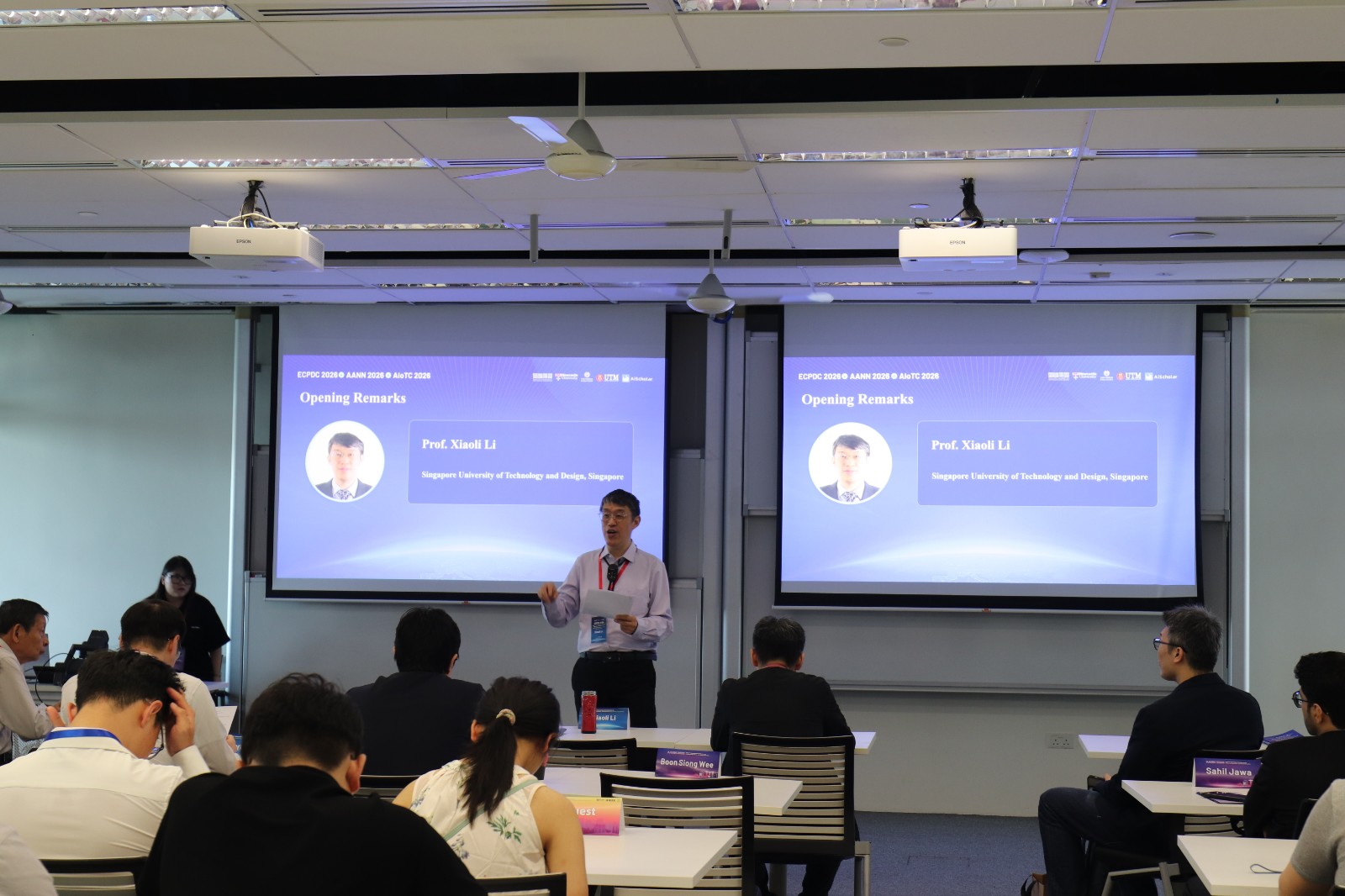
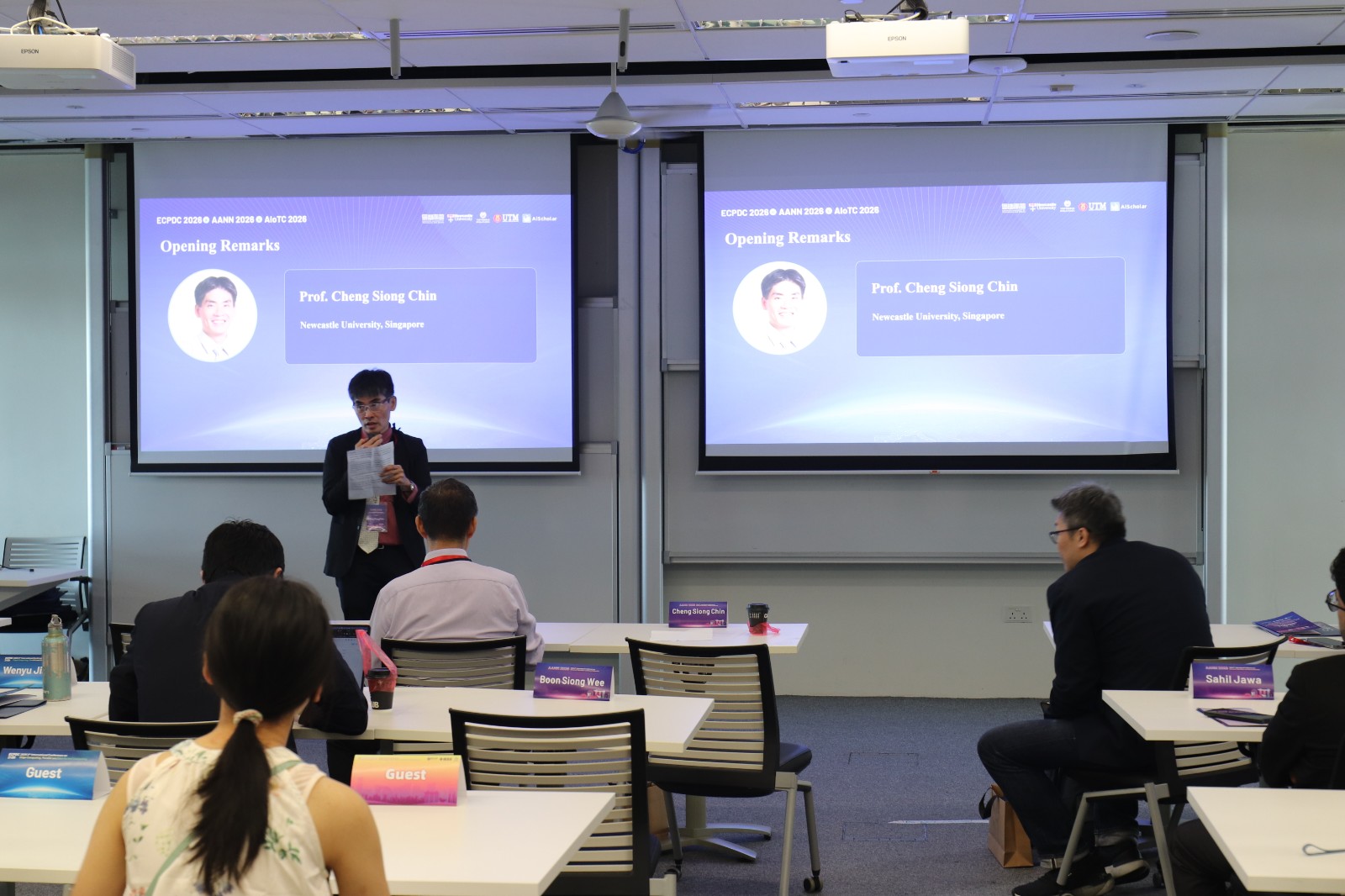
The conference opened with welcome remarks by Prof. Xiaoli Li of the Singapore University of Technology and Design and Prof. Cheng Siong Chin of Newcastle University, setting the tone for a program focused on innovation, application, and responsible technological development.
 |  |
A series of keynote presentations followed, featuring distinguished speakers from academia, industry, and the medical field:
Pathway to Super intelligence: Prof. Simon See from the NVIDIA AI Technology Center explored the developmental trajectory of artificial intelligence toward super intelligence.
| 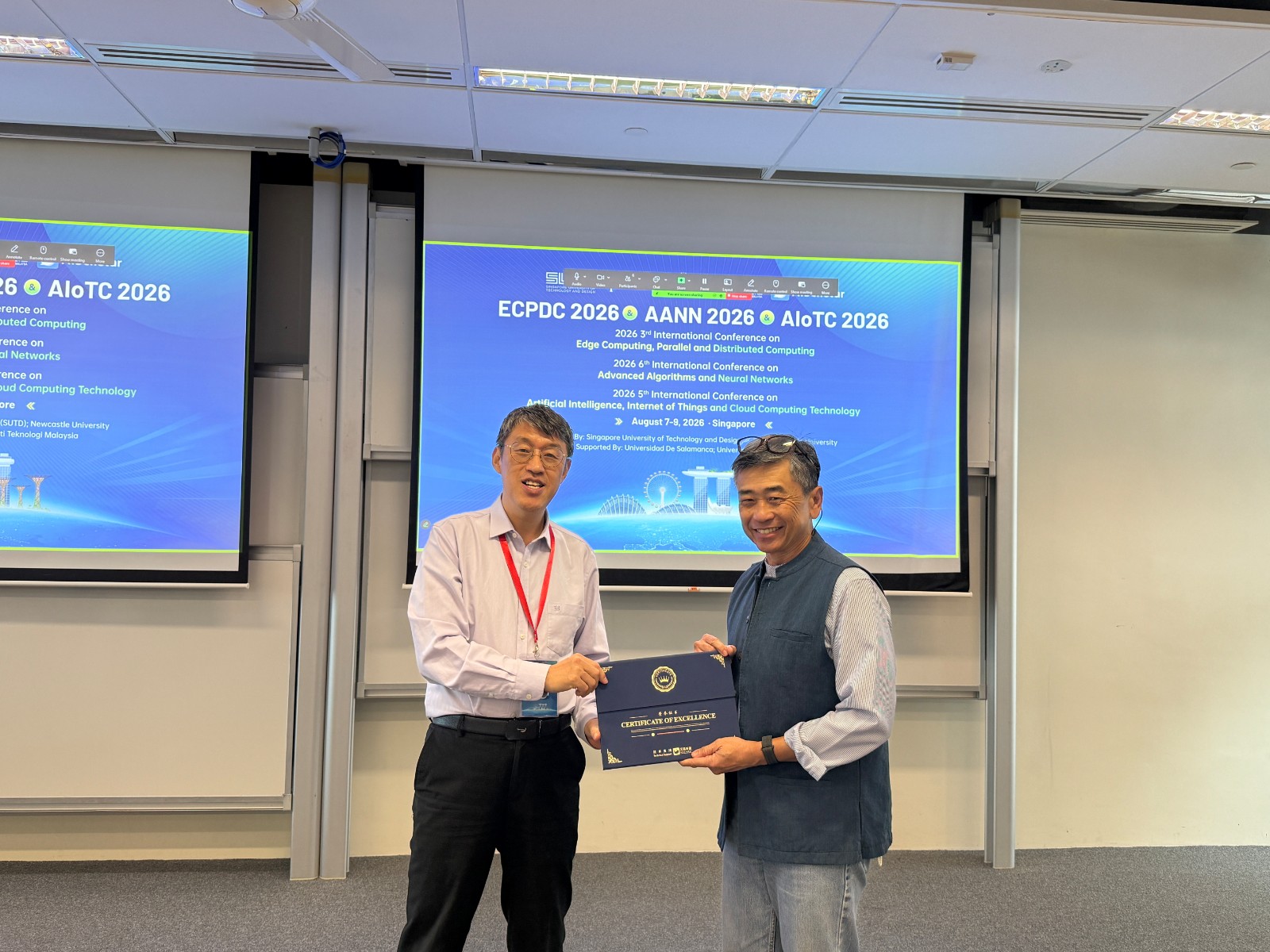 |

Prof. Simon See, NVIDIA AI Technology Center (NVAITC)
Speech Title: Next Words to Next World: Is This a Path to Artificial Super Intelligence?
AI in the Real World: Prof. Xiaoli Li presentedDesign AI for the Real World, sharing forward-looking perspectives and practical applications across education, industrial intelligence, and embodied robotics.
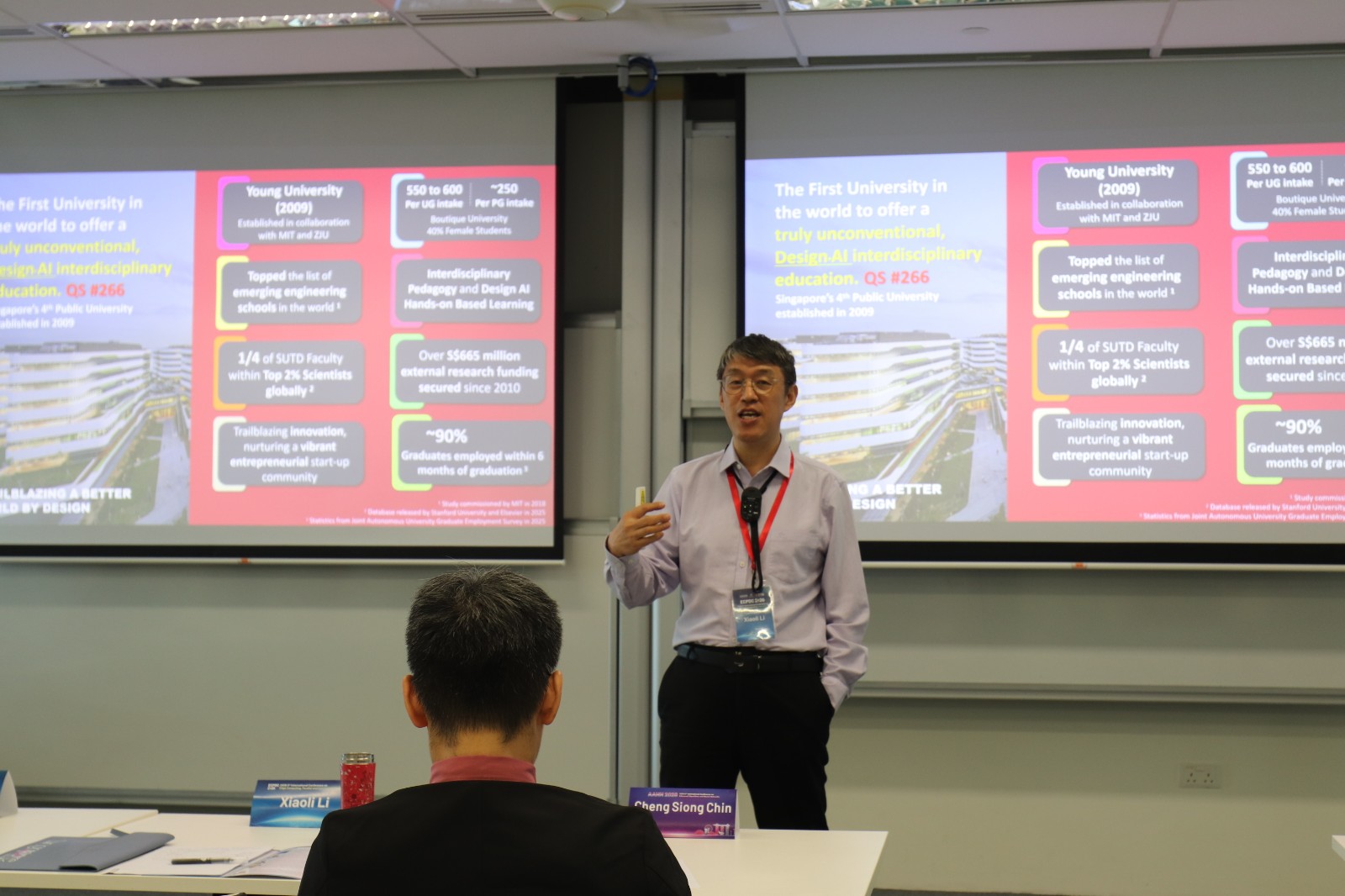 |  |
Prof. Xiaoli Li, Singapore University of Technology and Design, Singapore
Speech Title: Design AI for Real-World Impact: From Education and Industrial Intelligence to Embodied Robotics
Medical Ethics and Practice: Prof. Warren Rozen from Monash University discussed the applications of artificial intelligence in surgical practice, with particular attention to associated ethical considerations.
 |  |
Prof. Warren Rozen, Monash University, Australia
Speech Title: Introducing AI into surgical practice: clinical applications and ethical considerations
Trust in Digital Media: Dr. Deepayan Bhowmik from Newcastle University introduced JPEG Trust and discussed approaches to strengthening the authenticity and trustworthiness of digital media.
 |  |
Dr. Deepayan Bhowmik, Newcastle University, Singapore
Speech Title: Zero-Trust Imaging Is All You Need: Deploying JPEG Trust for media authenticity
🗣️ Expert Panel Discussion: Building Trustworthy Next-Generation AI
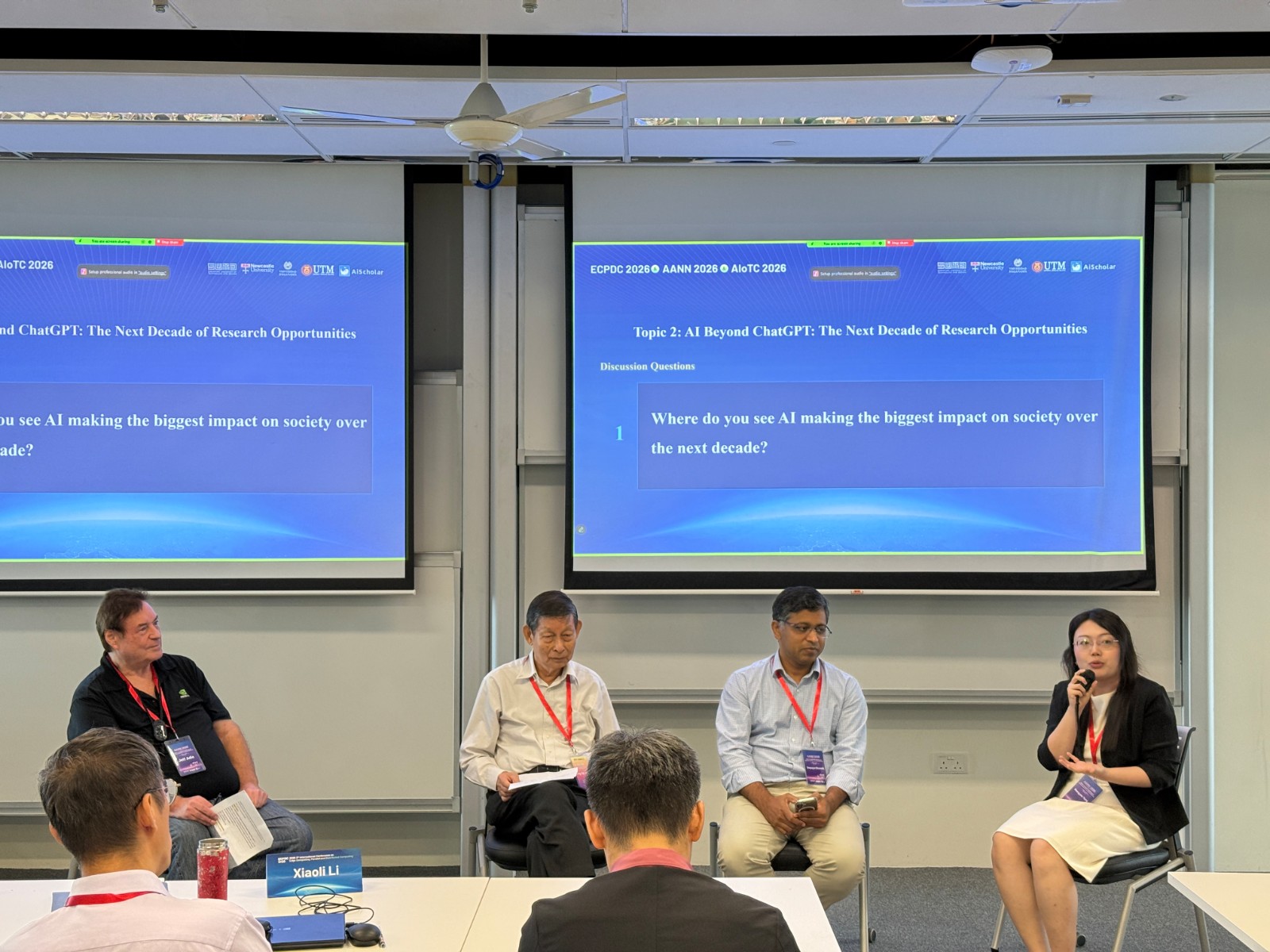
One of the major highlights of the conference was a high-level expert panel discussion chaired by Mr. Jeff Adie from the NVIDIA AI Technology Center. The panel brought together Prof. Ling Tok Wang, Dr. Deepayan Bhowmik, Dr. Sahil Jawa, and Dr. Mengyao Yang for an in-depth exchange on the future of artificial intelligence.
Centered on two themes—From Foundation Models to the Real World: Building Trustworthy AI andBeyond ChatGPT: Artificial Intelligence Research in the Next Decade—the discussion covered trustworthy AI, privacy and security mechanisms, AI governance frameworks, multimodal intelligence and autonomous agents, embodied AI, and AI for Science.
 |  |
🔬 Parallel Technical Sessions Showcase Cutting-Edge Research
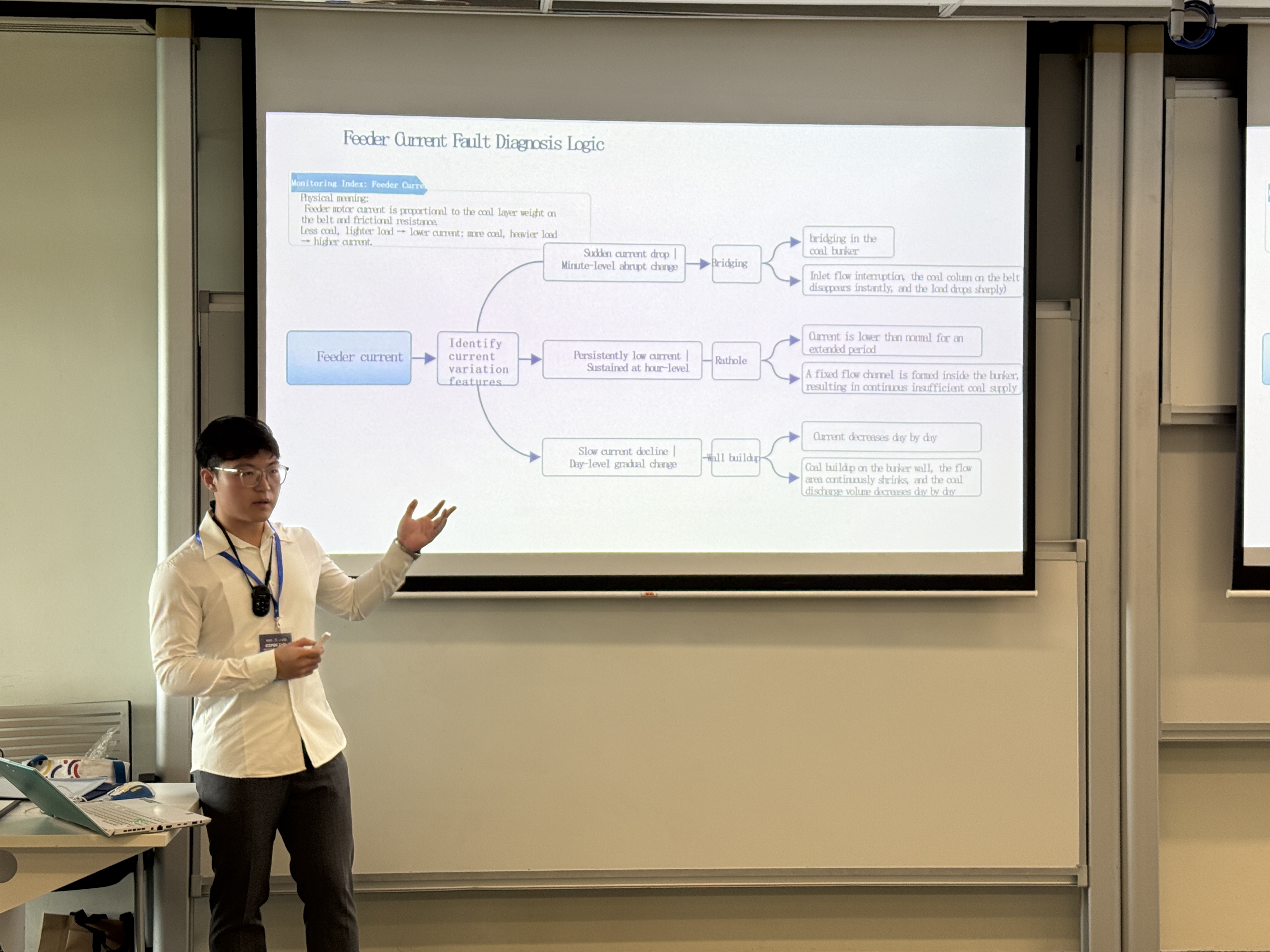
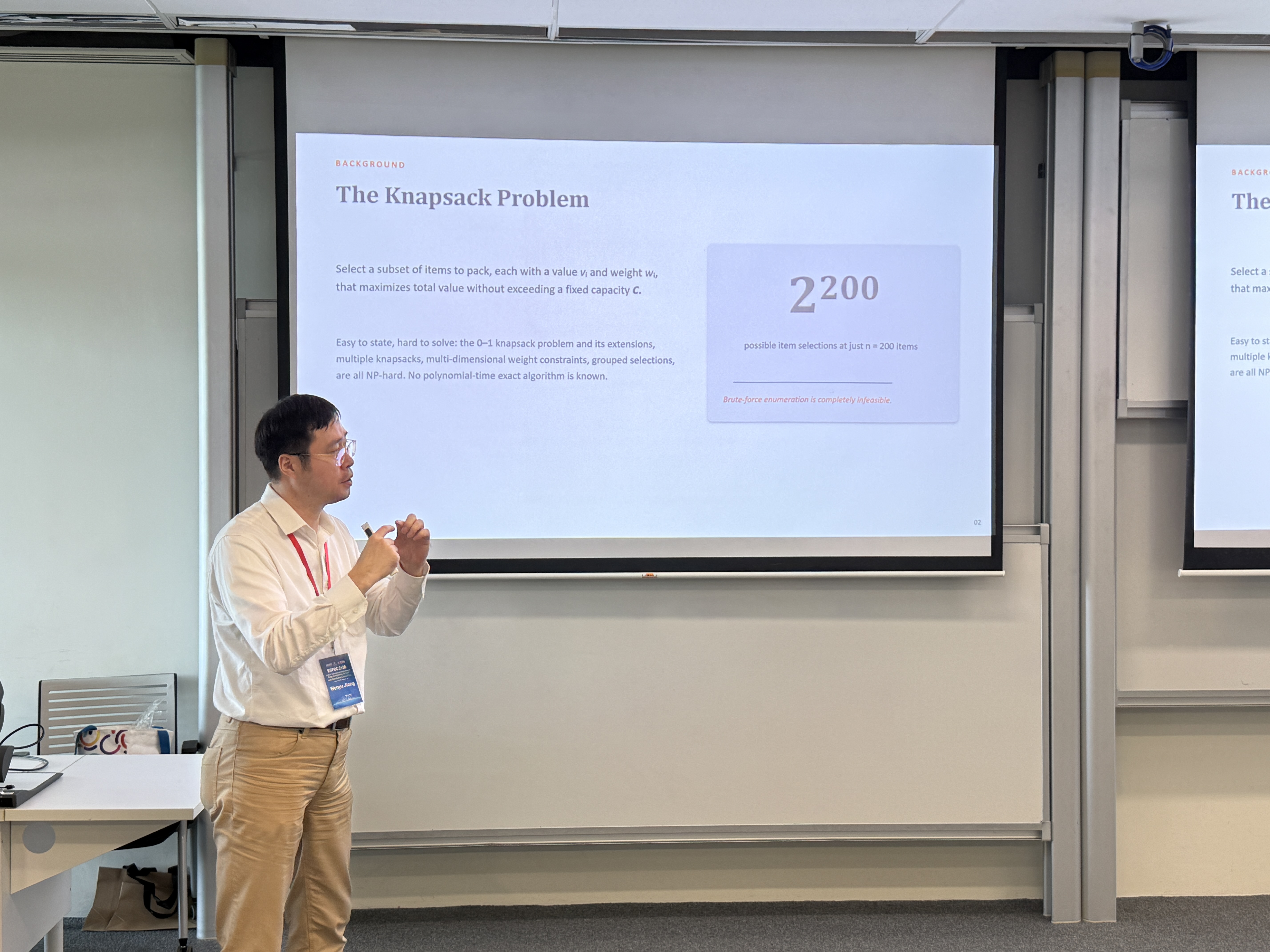
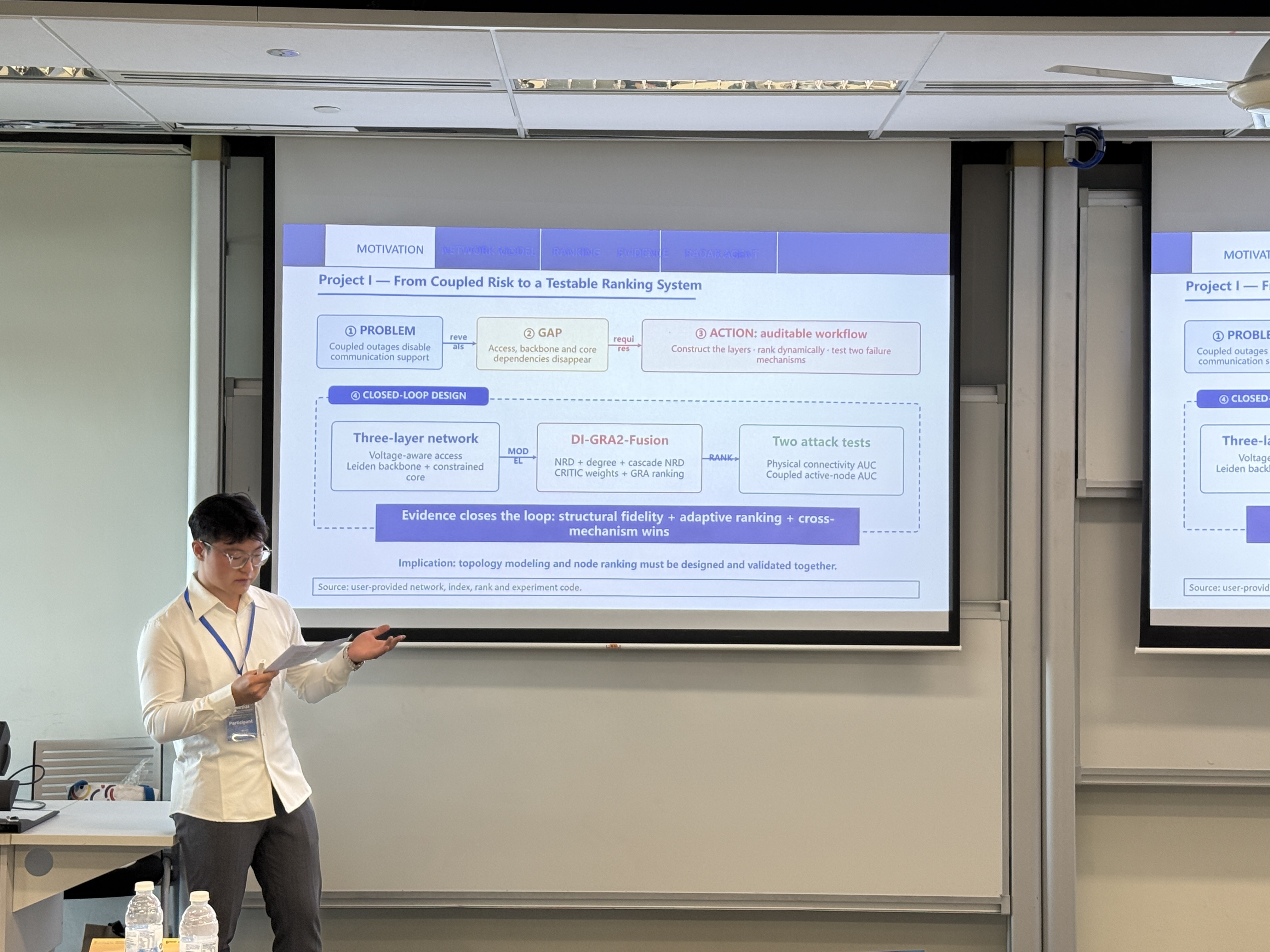
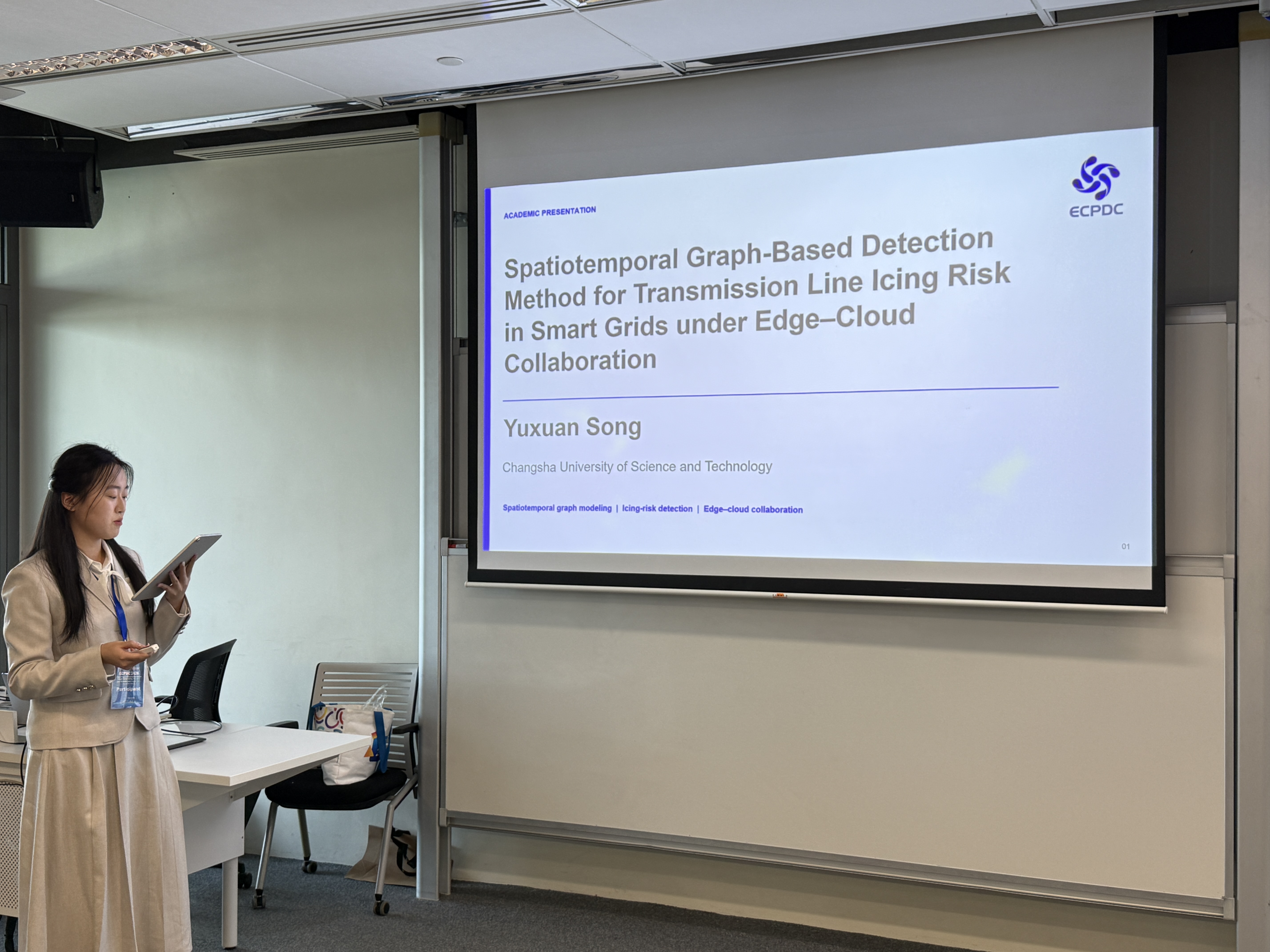
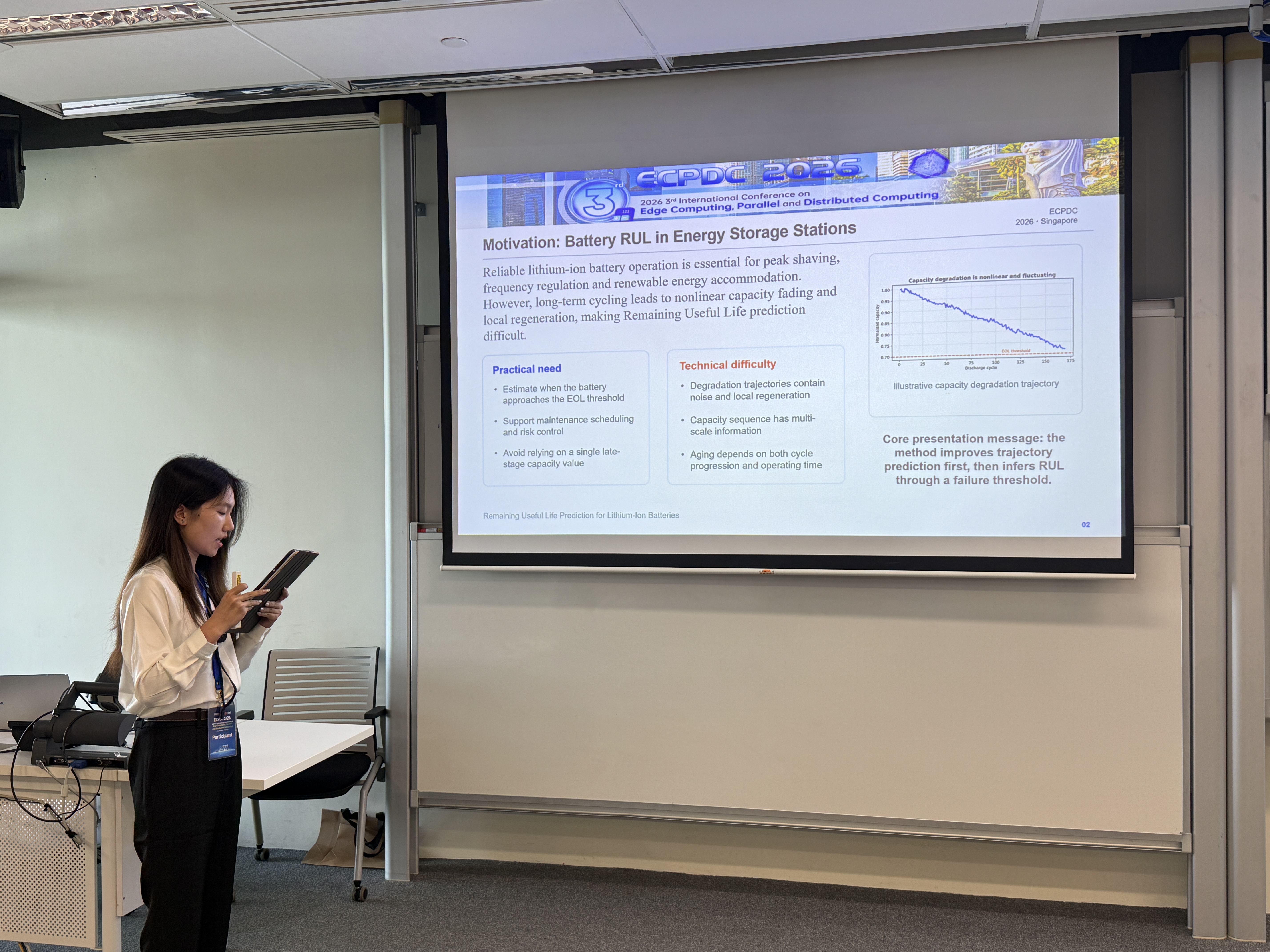
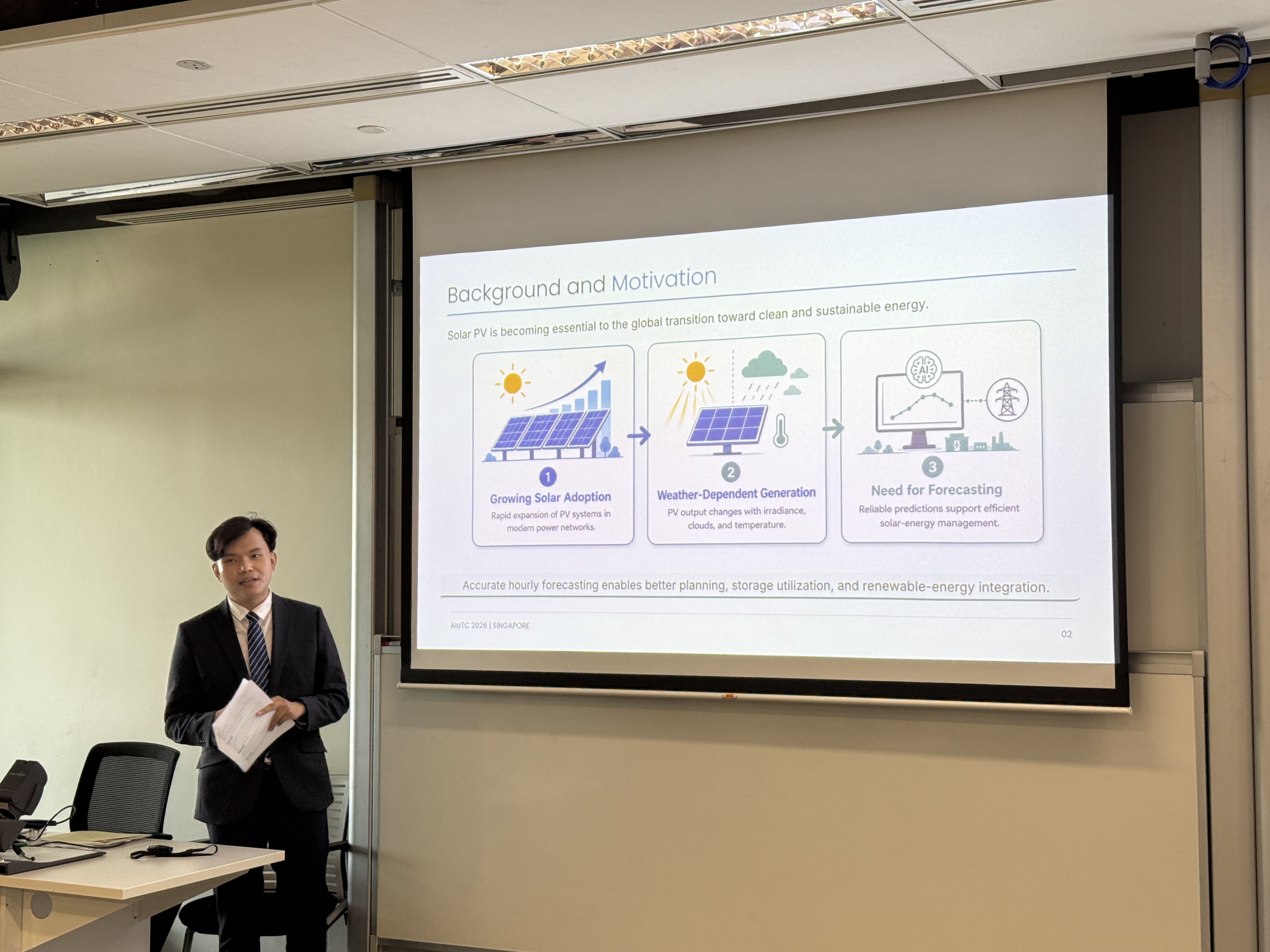
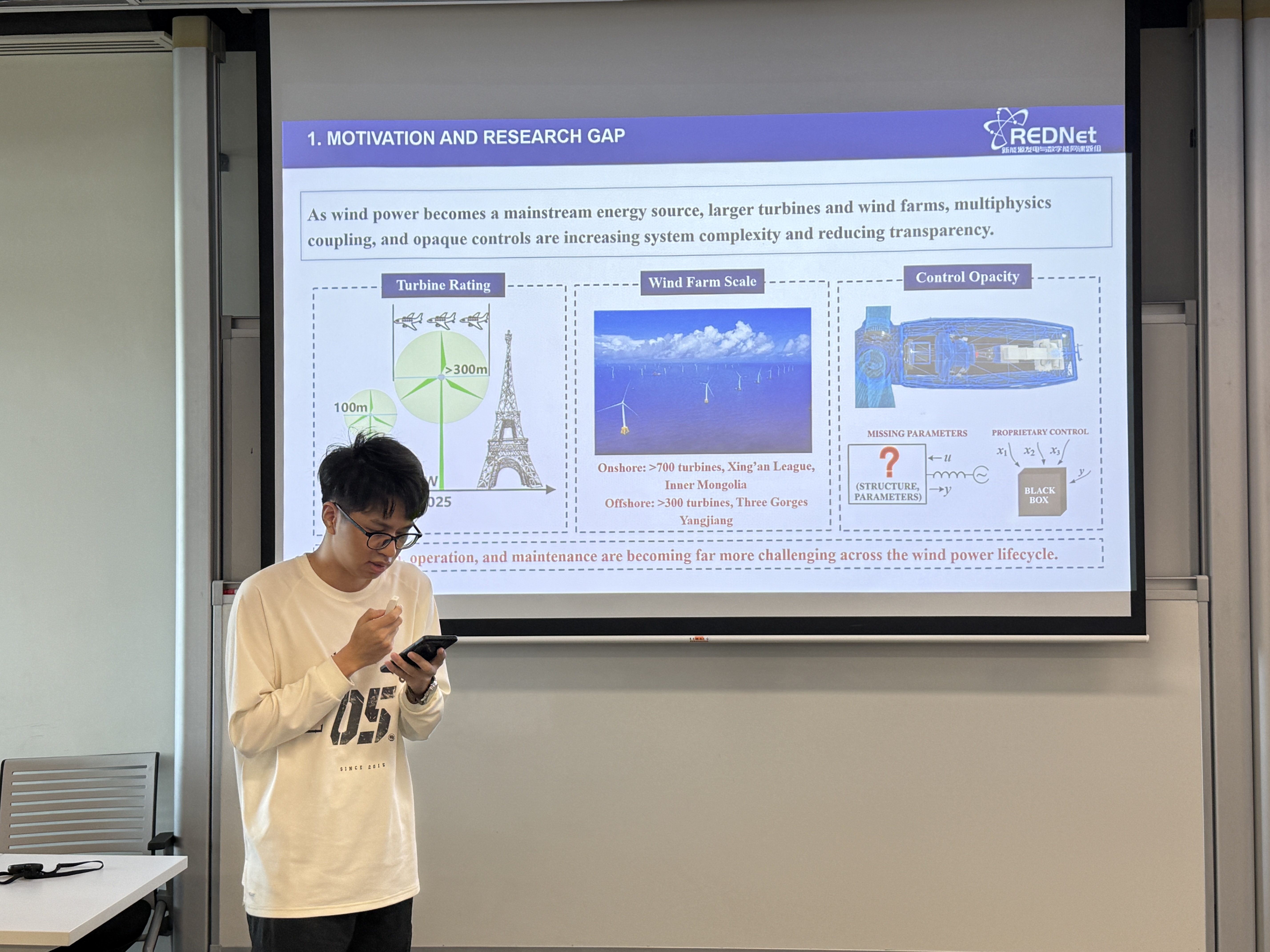
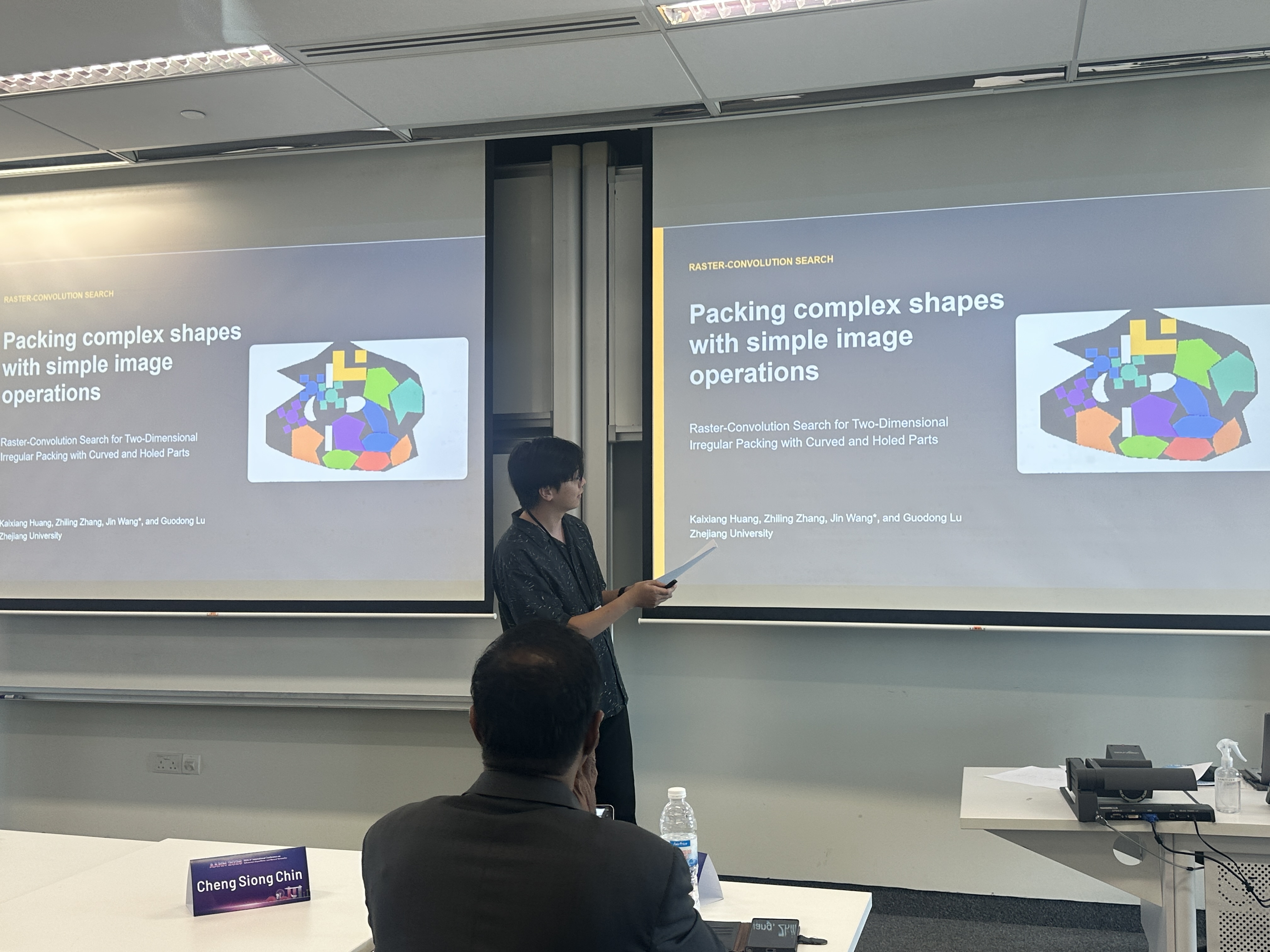
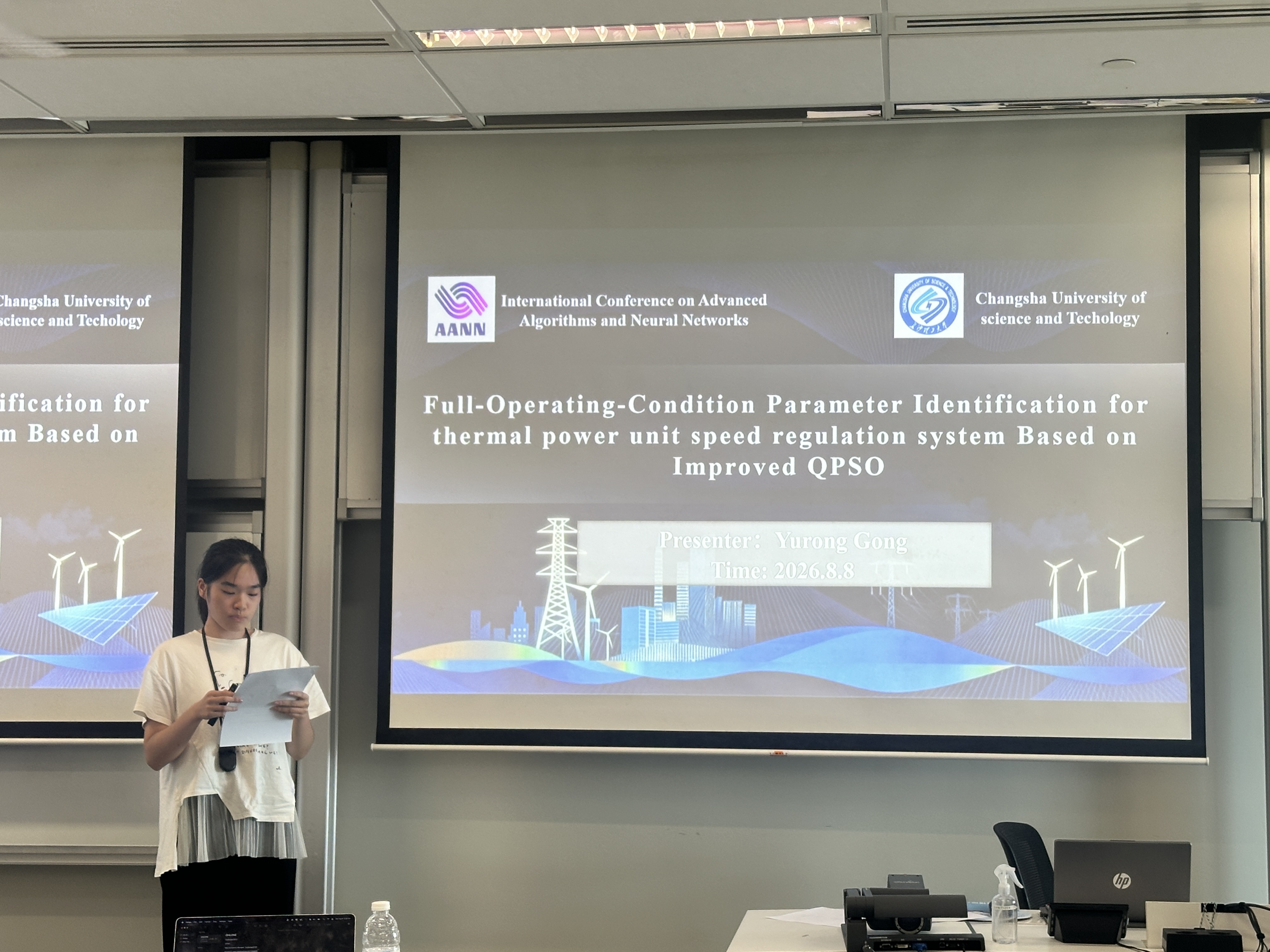
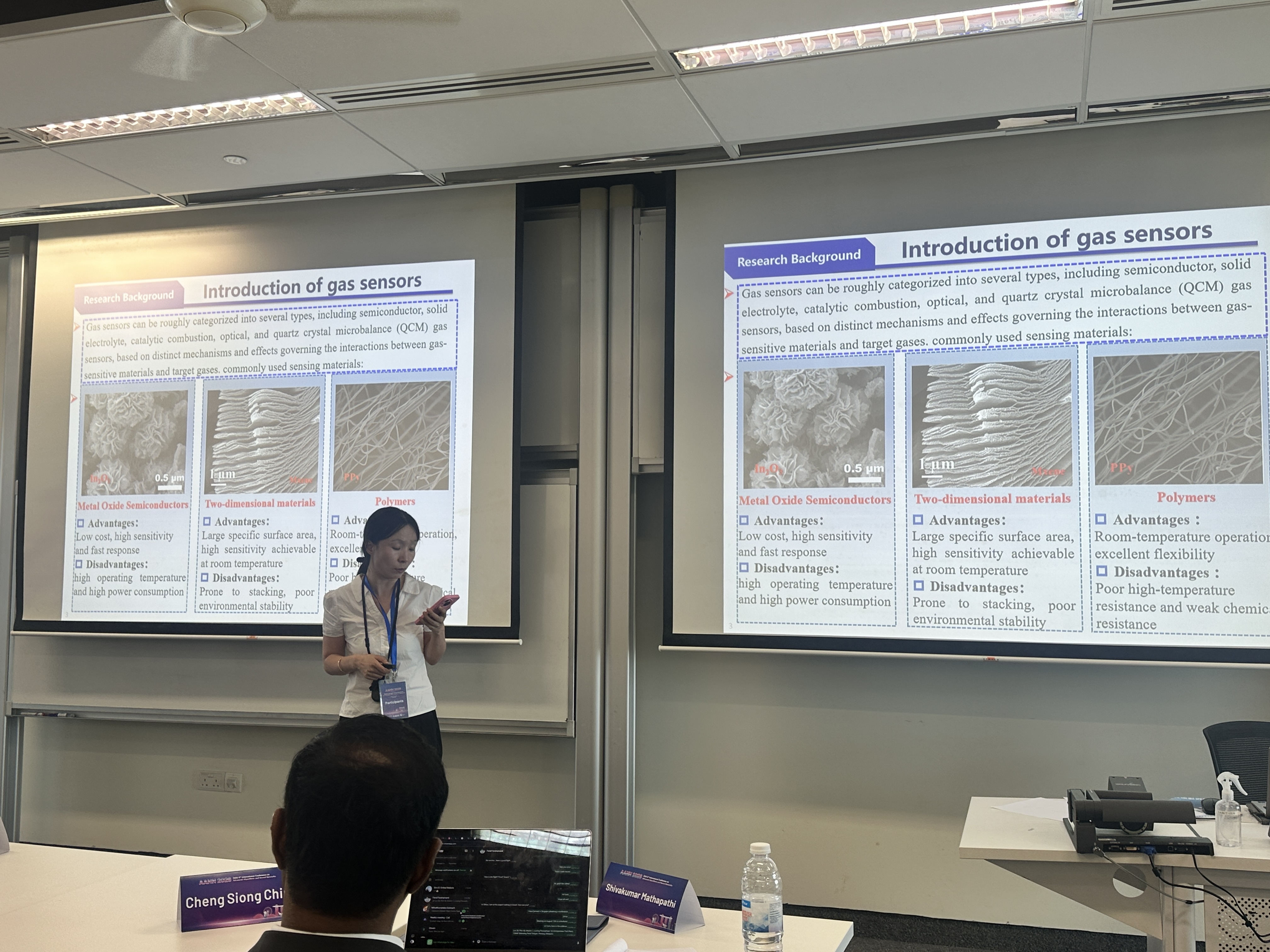
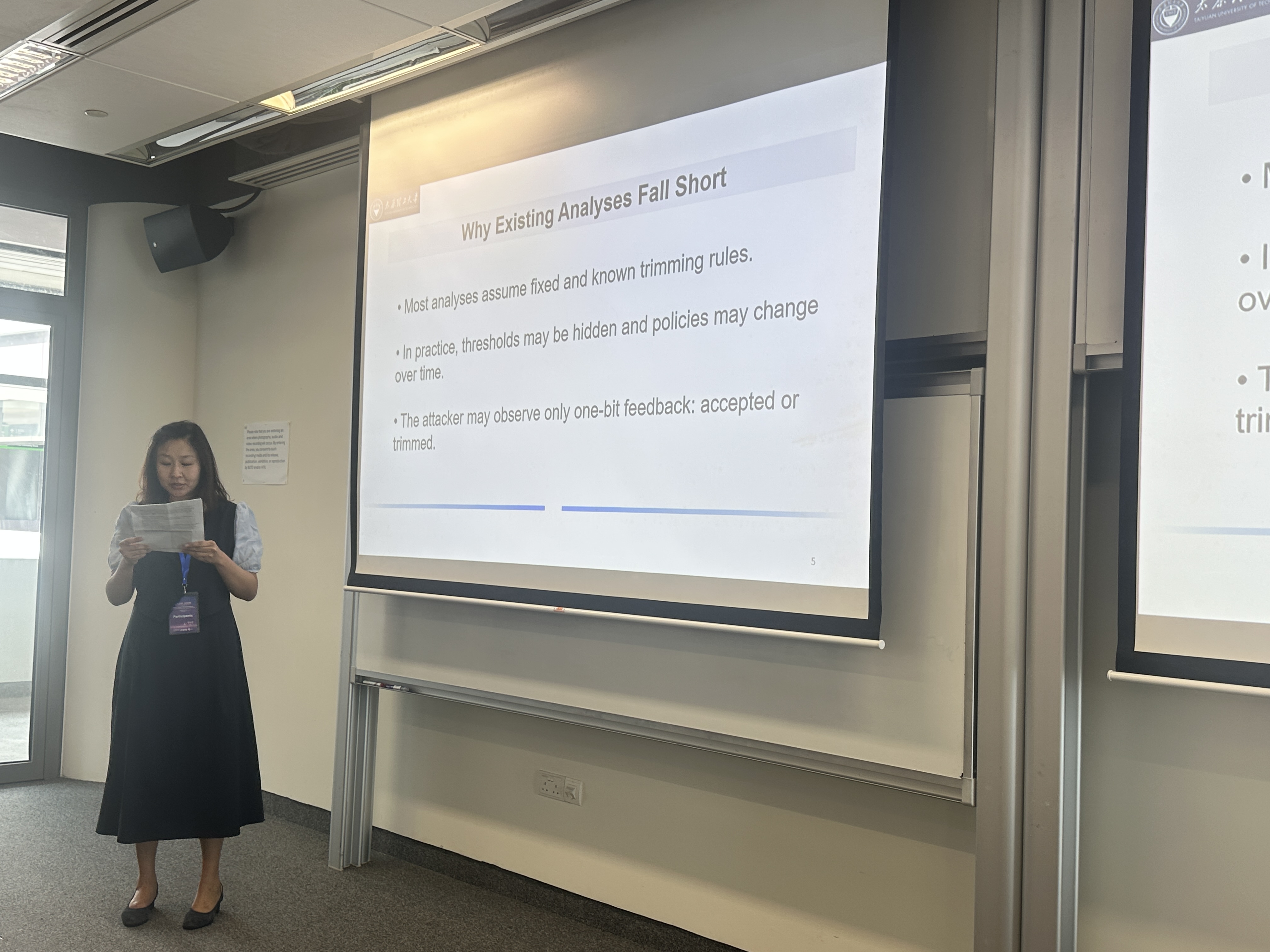
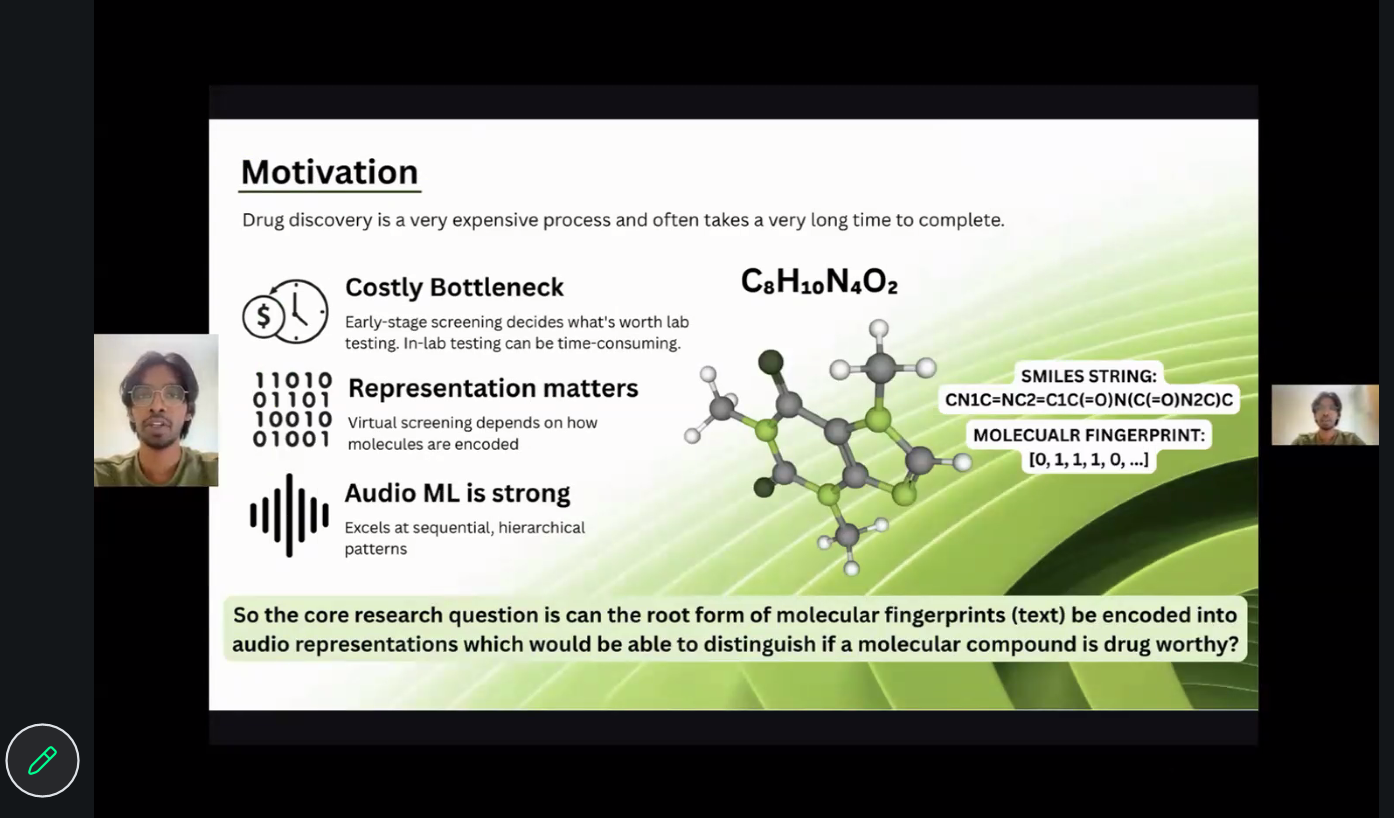
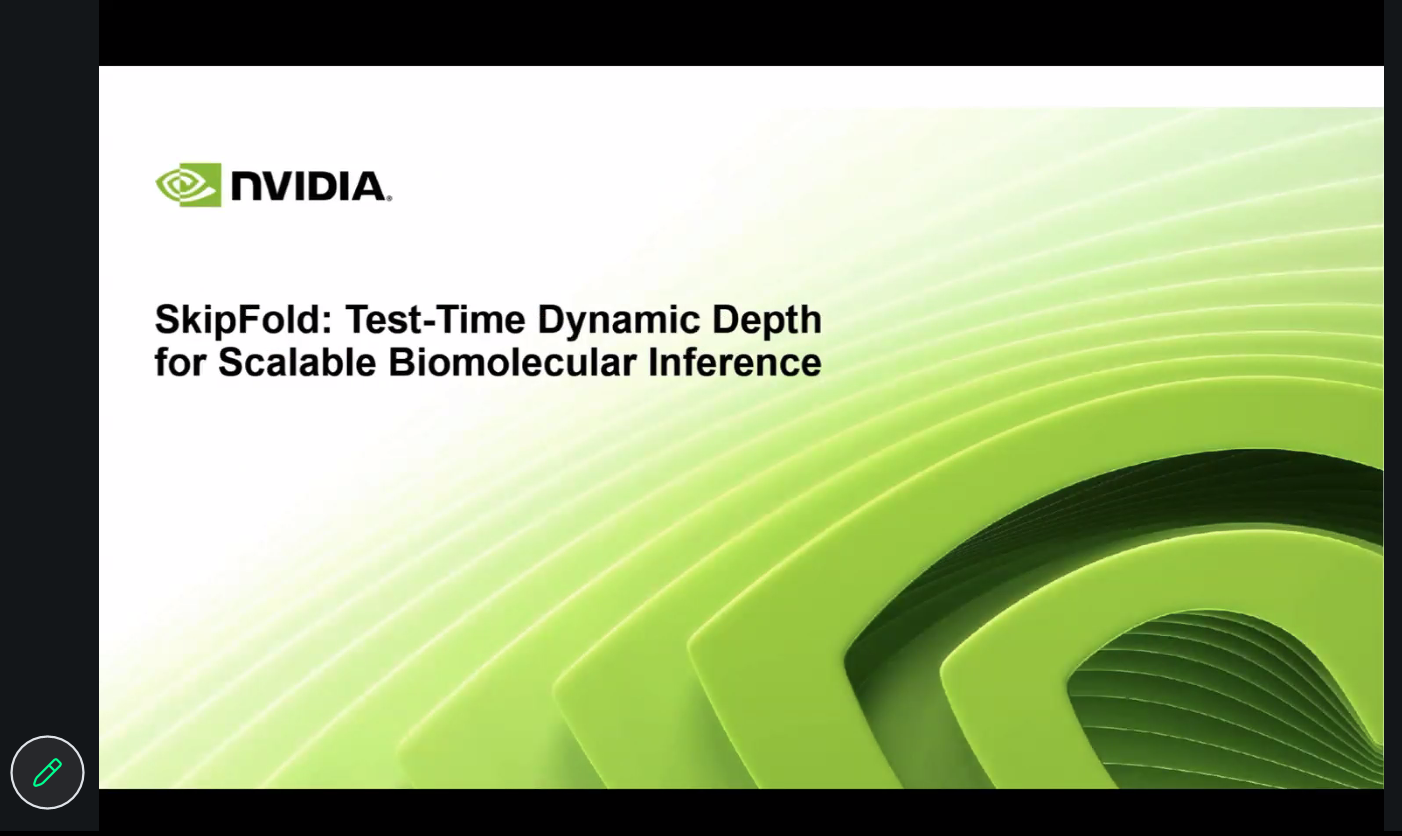
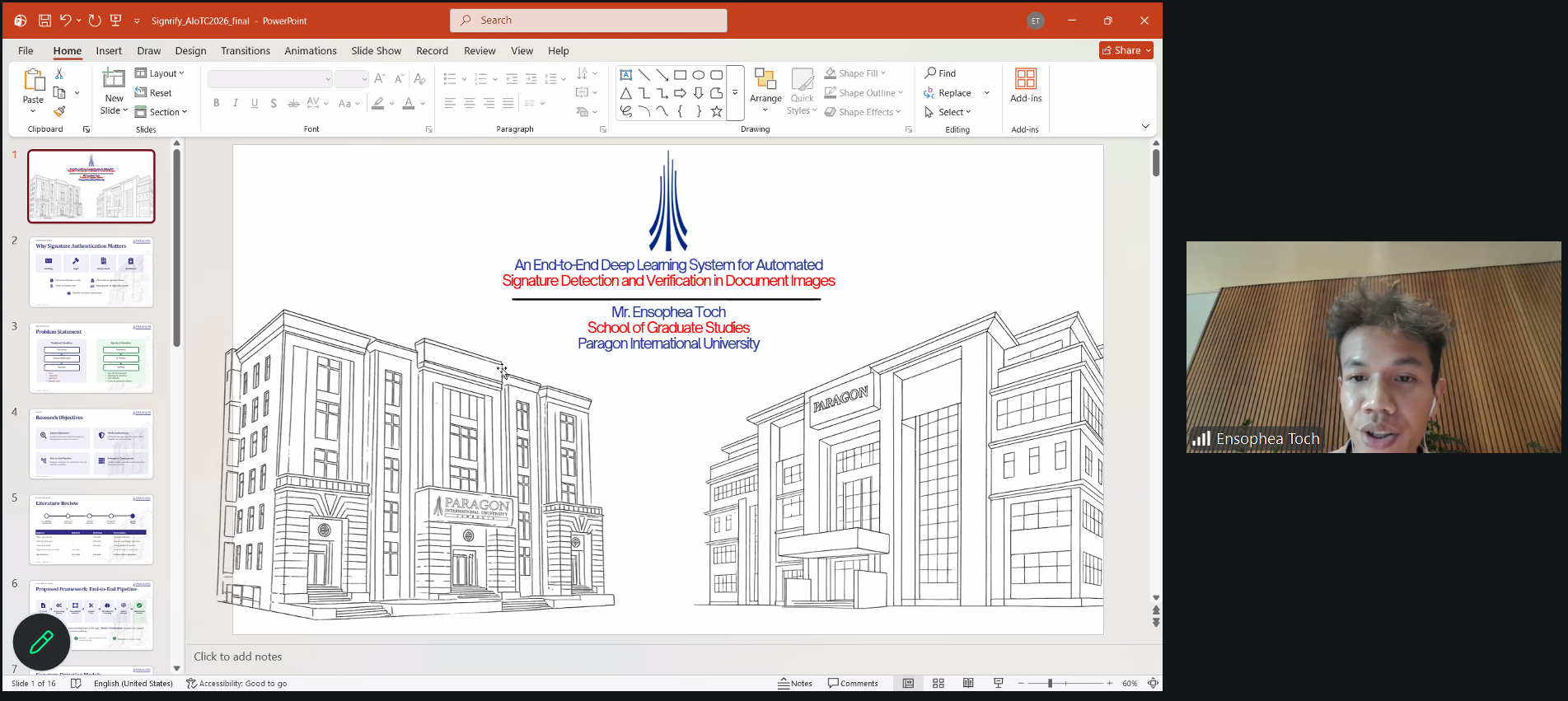
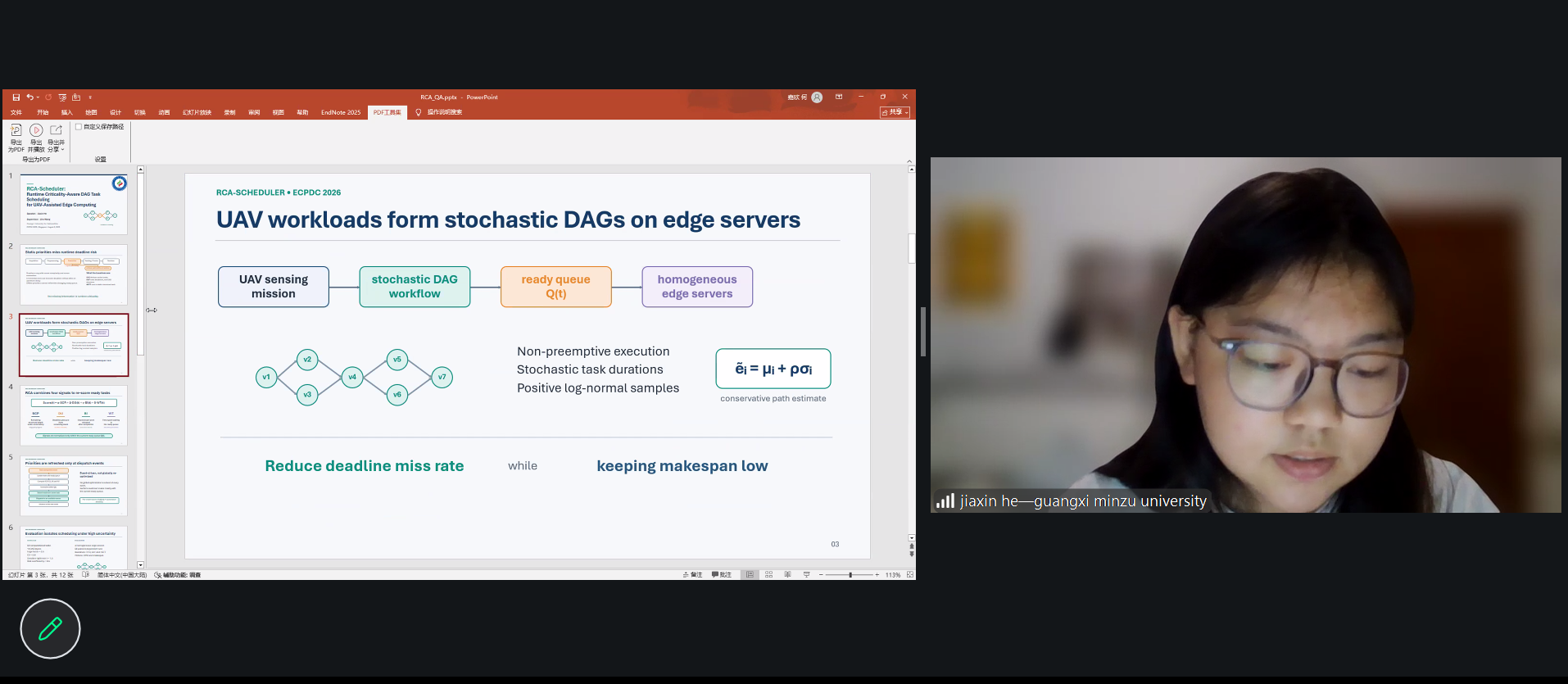
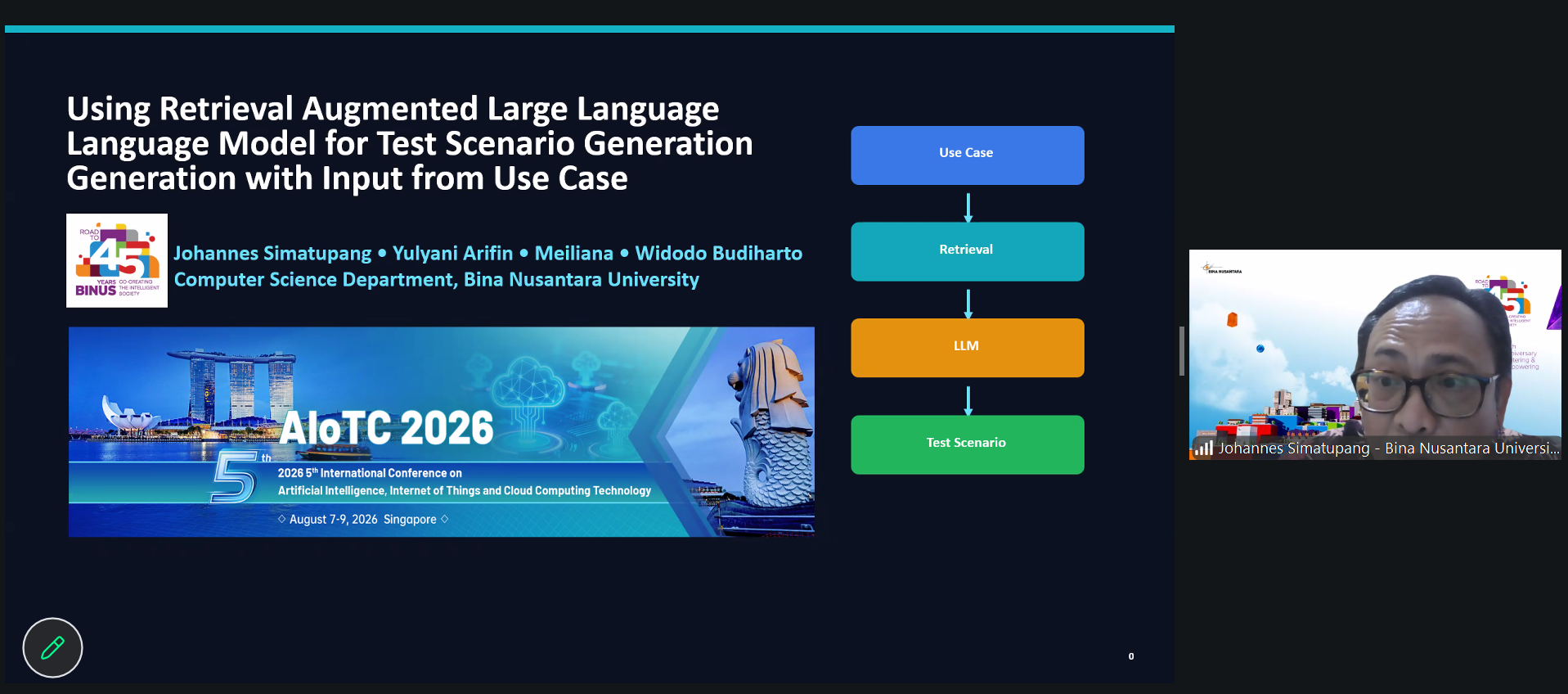
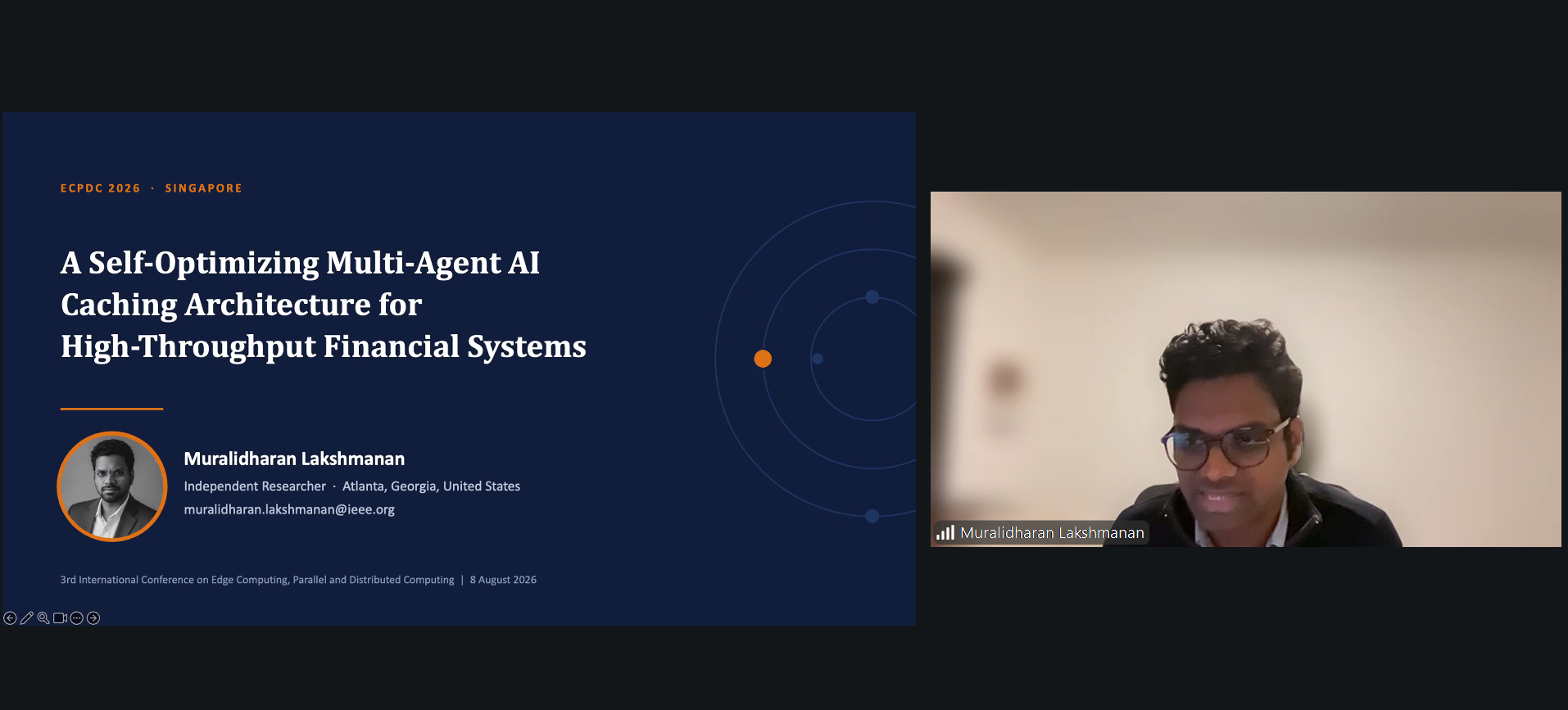
During the afternoon program, the conference moved into three parallel technical sessions, where more than 30 researchers and scholars presented their latest findings and research breakthroughs. Each session maintained a distinct disciplinary focus while reflecting the increasingly interdisciplinary nature of contemporary AI research.

Topics included multimodal agents, embodied intelligence, AI safety, privacy-preserving computing, intelligent sensing, wind power forecasting, integrated optimization of wind, solar, and energy storage systems, molecular intelligence, and biomolecular reasoning. Together, these presentations demonstrated the deepening convergence of artificial intelligence with engineering, energy systems, and the life sciences.
 |  |  |  |  |
 |  |  |  |  |
 |  |  |  |  |
 |  |  |  |  |
 |  |  |  |  |
 |  |  |  |  |
 |  |  |  |  |
3 Conferences | 12 Countries | 70+ Delegates | 30+ Research Presentations
Multiple Disciplines • One Shared Vision for Technological Innovation
🚀 Conclusion: A Shared Vision for Technological Innovation
Although ECPDC 2026, AANN 2026, and AIOTC 2026 have officially concluded, the ideas exchanged, partnerships established, and new possibilities initiated during the gathering in Singapore will continue to inspire future research and international collaboration.

We sincerely thank all participants, speakers, organizers, and supporting institutions for their enthusiasm and contributions. We look forward to welcoming the international academic community again at future gatherings and continuing to advance collaboration across disciplines and borders.